For those diagnosed, self-care becomes crucial. It helps manage symptoms and improve quality of life. Understanding how to care for oneself can make a significant difference. Mesothelioma patients often face physical and emotional challenges. Daily routines, diet, exercise, and mental health support play vital roles.
Simple actions can ease pain, reduce stress, and boost well-being. This guide will explore various self-care strategies. It aims to provide practical tips and insights for patients and caregivers. Discover ways to take control and find comfort amid the journey. Your well-being matters, and small steps can lead to big changes. Let’s dive into the world of mesothelioma self-care.

Introduction To Mesothelioma
Mesothelioma is a rare and aggressive form of cancer. It affects the lining of the lungs, abdomen, or heart. Understanding this disease is crucial for anyone diagnosed or at risk. This section provides a basic introduction to mesothelioma.
What Is Mesothelioma?
Mesothelioma is a type of cancer. It forms in the lining of the mesothelium. This is a thin layer of tissue covering most internal organs. The most common type is pleural mesothelioma. It affects the tissue surrounding the lungs. Other types include peritoneal and pericardial mesothelioma. These affect the abdomen and heart.
Causes And Risk Factors
Asbestos exposure is the primary cause of mesothelioma. Asbestos is a group of minerals made of microscopic fibers. These fibers can be inhaled or swallowed. Over time, they can cause damage and lead to cancer. People who worked with asbestos have a higher risk.
Other risk factors include living with someone who works with asbestos. Family members may be exposed to fibers brought home on clothes. There is also a genetic factor. Some people may be more likely to develop mesothelioma due to their genes.
Understanding the causes and risk factors helps in early detection and prevention. It is important to be aware of the signs and seek medical advice if needed.
Recognizing Symptoms
Recognizing symptoms of Mesothelioma early can lead to better outcomes. Paying attention to your body and understanding the signs is crucial. Symptoms vary from early to advanced stages. Knowing what to look for can make a significant difference.
Early Signs
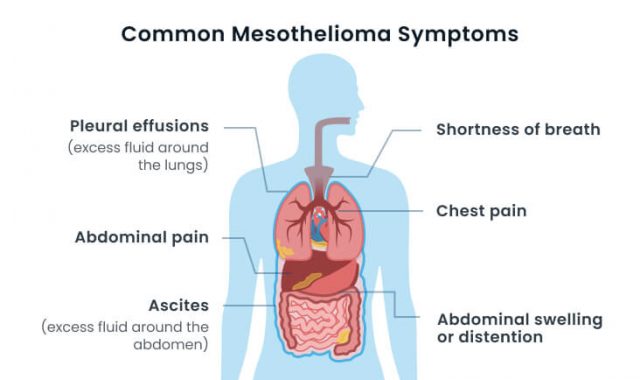
Early symptoms of Mesothelioma are often mild. These signs can be mistaken for common illnesses. Shortness of breath is a common early symptom. Persistent cough can also be an indicator. Chest pain should not be ignored. Fatigue and unexplained weight loss may occur. These symptoms can start slowly and worsen over time.
Advanced Symptoms
As Mesothelioma progresses, symptoms become more severe. Severe chest pain is a key sign. Trouble breathing may increase. Fluid buildup in the chest or abdomen can happen. Persistent cough may worsen. Weight loss and loss of appetite are common. Patients might experience night sweats and fever. These symptoms indicate the need for immediate medical attention.
Medical Treatments
Mesothelioma is a serious disease. Treatment often includes several medical options. These treatments can help manage symptoms and extend life.
Surgery Options
Surgery is a common treatment for mesothelioma. It involves removing the cancerous tissue. Here are some surgery options:
- Extrapleural Pneumonectomy (EPP): Removes the lung, part of the diaphragm, and nearby tissue.
- Pleurectomy/Decortication (P/D): Removes the lining of the lung and chest, but not the lung itself.
- Cytoreductive Surgery: Removes tumors from the abdomen. Often used with heated chemotherapy.
Chemotherapy And Radiation
Chemotherapy and radiation are other key treatments. They target and kill cancer cells. Below are some details:
| Treatment | Description |
|---|---|
| Chemotherapy | Uses drugs to kill cancer cells. Administered through IV or pills. |
| Radiation Therapy | Uses high-energy rays to kill cancer cells. Often used after surgery. |
These treatments can have side effects. Patients should discuss options with their doctors. Each person’s treatment plan will be unique. Always seek professional advice.
Self-care Strategies
Dealing with mesothelioma can be challenging. Self-care strategies can help improve your well-being. It’s important to focus on diet, exercise, and mental health.
Diet And Nutrition
A balanced diet can boost your energy levels. Include plenty of fruits and vegetables. They provide essential vitamins and minerals. Whole grains like brown rice and oats are also beneficial. Lean proteins such as chicken, fish, and beans support muscle health. Stay hydrated by drinking plenty of water.
Avoid processed foods and sugary drinks. They can cause inflammation and fatigue. Eating small, frequent meals can help maintain energy throughout the day.
Exercise And Physical Activity
Regular exercise can improve your strength and mood. Gentle activities like walking, swimming, or yoga are good options. They help reduce stress and improve flexibility. Aim for at least 30 minutes of activity most days. Start slowly and listen to your body.
Physical activity can also help manage symptoms like pain and fatigue. Consult your doctor before starting any new exercise routine. They can provide guidance tailored to your needs.
Managing Pain
Managing pain is crucial for those living with Mesothelioma. It affects their quality of life. This section explores how to manage pain effectively. Understanding different methods can help you find relief.
Medication Options
Doctors often prescribe pain relief medications. These include opioids, anti-inflammatory drugs, and other pain relievers. Opioids are strong medications. They help control severe pain. Anti-inflammatory drugs reduce swelling and pain. Always follow your doctor’s instructions. This ensures safe and effective use of medications.
Alternative Therapies
Alternative therapies can complement medications. Some find relief through acupuncture. This involves inserting thin needles into specific points on the body. It can reduce pain and improve well-being. Massage therapy is another option. It helps relax muscles and reduces pain. Gentle movements and pressure can make a difference.
Mind-body techniques also play a role. Practices like yoga and meditation can help manage pain. They improve mental focus and reduce stress. This can lead to less pain. Deep breathing exercises also help. They promote relaxation and decrease discomfort.
Mental Health Support
Mesothelioma affects both body and mind. Patients need strong mental health support to cope with the disease. Understanding how to manage mental health challenges is key. This section will cover coping mechanisms and counseling services.
Coping Mechanisms
Dealing with mesothelioma can be overwhelming. Here are some ways to manage the stress:
- Mindfulness Techniques: Practice deep breathing and meditation. These can help reduce anxiety.
- Exercise: Gentle exercise like walking can boost mood.
- Journaling: Writing down your thoughts can help process emotions.
- Social Support: Talk to friends and family. Sharing your feelings can make a big difference.
Counseling Services
Professional help is crucial for mental health. Various counseling services are available:
| Service | Benefits |
|---|---|
| Individual Therapy | One-on-one sessions help address personal issues. |
| Group Therapy | Support groups offer shared experiences and mutual support. |
| Online Counseling | Access therapy from home. Convenient and private. |
Seek help from licensed professionals. They can provide strategies to manage emotions and stress.
Building A Support System
Dealing with mesothelioma can be overwhelming. Building a strong support system is crucial for emotional and mental well-being. A good support system provides comfort, practical help, and motivation. It also helps manage stress and anxiety.
Family And Friends
Family and friends play a vital role in your support system. They offer emotional support and practical help. This includes transportation to appointments, help with daily chores, and companionship.
- Emotional Support: Talking about your feelings can reduce stress.
- Practical Help: They can help with daily tasks and transportation.
- Companionship: Spending time with loved ones reduces loneliness.
Communicate your needs clearly. Ask for specific help. This ensures you get the support you need.
Support Groups
Joining a support group connects you with people in similar situations. Support groups offer a sense of community. They provide a safe space to share experiences and advice.
| Benefits | Description |
|---|---|
| Shared Experiences | Learn from others who understand your situation. |
| Emotional Support | Share your feelings in a safe environment. |
| Practical Advice | Get tips on managing treatment and daily life. |
Find a local or online support group. Many organizations offer resources and directories to help you find the right group.
Legal And Financial Assistance
Dealing with a mesothelioma diagnosis can be overwhelming. Legal and financial assistance can ease some of the burdens. Understanding your rights and finding the right legal help is crucial. This section provides guidance on these important aspects.
Understanding Your Rights
Many people with mesothelioma have legal rights. These rights may allow them to seek compensation. This can help cover medical bills and other expenses. Knowing your rights is the first step in getting the help you need.
Companies that exposed workers to asbestos may be liable. These companies might owe compensation to affected individuals. It’s important to understand this to protect your interests.
Finding Legal Help
Finding a lawyer experienced in mesothelioma cases is essential. These lawyers understand the complexities of asbestos exposure. They can guide you through the legal process.
Look for a lawyer who specializes in mesothelioma cases. They will have the expertise needed to handle your case effectively. Many offer free consultations to discuss your situation.
Legal help can make a significant difference. It ensures you get the compensation you deserve. This can greatly relieve the financial stress related to your diagnosis.
Living With Mesothelioma
Mesothelioma is a rare and serious illness that affects the lining of your lungs, heart, or abdomen. Living with this condition involves managing symptoms and maintaining the best quality of life possible. This section provides practical advice on daily routines and long-term management to help you live with mesothelioma.
Daily Routine Tips
A consistent daily routine can make a big difference. Here are some tips:
- Healthy Diet: Eat balanced meals rich in fruits, vegetables, and lean proteins. Avoid processed foods and sugary drinks.
- Exercise: Gentle exercises like walking or yoga can improve your strength and mood. Consult your doctor before starting any new activity.
- Hydration: Drink plenty of water. Staying hydrated helps your body function better.
- Rest: Ensure you get enough sleep. A good night’s rest is crucial for your recovery and energy levels.
- Medication: Follow your doctor’s instructions for taking medications. Set reminders if needed.
Long-term Management
Managing mesothelioma long-term involves a combination of medical treatments and lifestyle adjustments. Here are some strategies:
- Regular Check-ups: Schedule regular visits with your healthcare team. They can monitor your condition and adjust treatments as needed.
- Support System: Lean on friends, family, or support groups. Emotional support is important for your mental health.
- Symptom Management: Keep track of your symptoms. Report any changes to your doctor immediately.
- Stress Reduction: Practice relaxation techniques like meditation or deep breathing. Managing stress can improve your overall well-being.
- Education: Stay informed about your condition. Understanding mesothelioma can help you make better decisions about your care.
Remember, living with mesothelioma is challenging, but with the right approach, you can improve your quality of life. These tips aim to provide a structured way to manage your daily activities and long-term health.
Frequently Asked Questions
What Is Mesothelioma Self-care?
Mesothelioma self-care involves managing symptoms and improving quality of life. This includes proper nutrition, exercise, and mental health support. Consulting with healthcare professionals is crucial.
How Can Diet Help Mesothelioma Patients?
A balanced diet helps maintain energy levels and supports the immune system. Include fruits, vegetables, lean proteins, and whole grains.
What Exercises Are Suitable For Mesothelioma?
Gentle exercises like walking, yoga, and stretching can improve strength and reduce fatigue. Always consult a doctor first.
Why Is Mental Health Important In Mesothelioma Care?
Mental health is vital for overall well-being. Support groups, counseling, and mindfulness practices can help manage stress and anxiety.
Conclusion
Taking care of yourself with mesothelioma is crucial. Support from loved ones helps. Prioritize rest and nutritious meals. Gentle exercise can boost your mood. Stay positive and informed about your treatment options. Connect with support groups for emotional strength. Small steps make a big difference.
Remember, you are not alone in this journey. Consistent self-care improves your quality of life. Embrace each day with hope and resilience.