Understanding mesothelioma is crucial for early detection and treatment. This blog provides essential information about this disease. You will learn about its causes, symptoms, and treatment options. Mesothelioma often results from asbestos exposure. This makes awareness important for prevention. Knowing the signs can lead to earlier diagnosis and better outcomes.
Stay informed to protect yourself and loved ones. Explore the information provided to gain a clearer understanding of mesothelioma. Let’s dive into the key details of this challenging condition.
What Is Mesothelioma
Mesothelioma is a rare type of cancer. It affects the thin layer of tissue covering most of the internal organs, known as the mesothelium. The most common area affected is the lining of the lungs and chest wall. This disease is often linked to asbestos exposure.
Types Of Mesothelioma
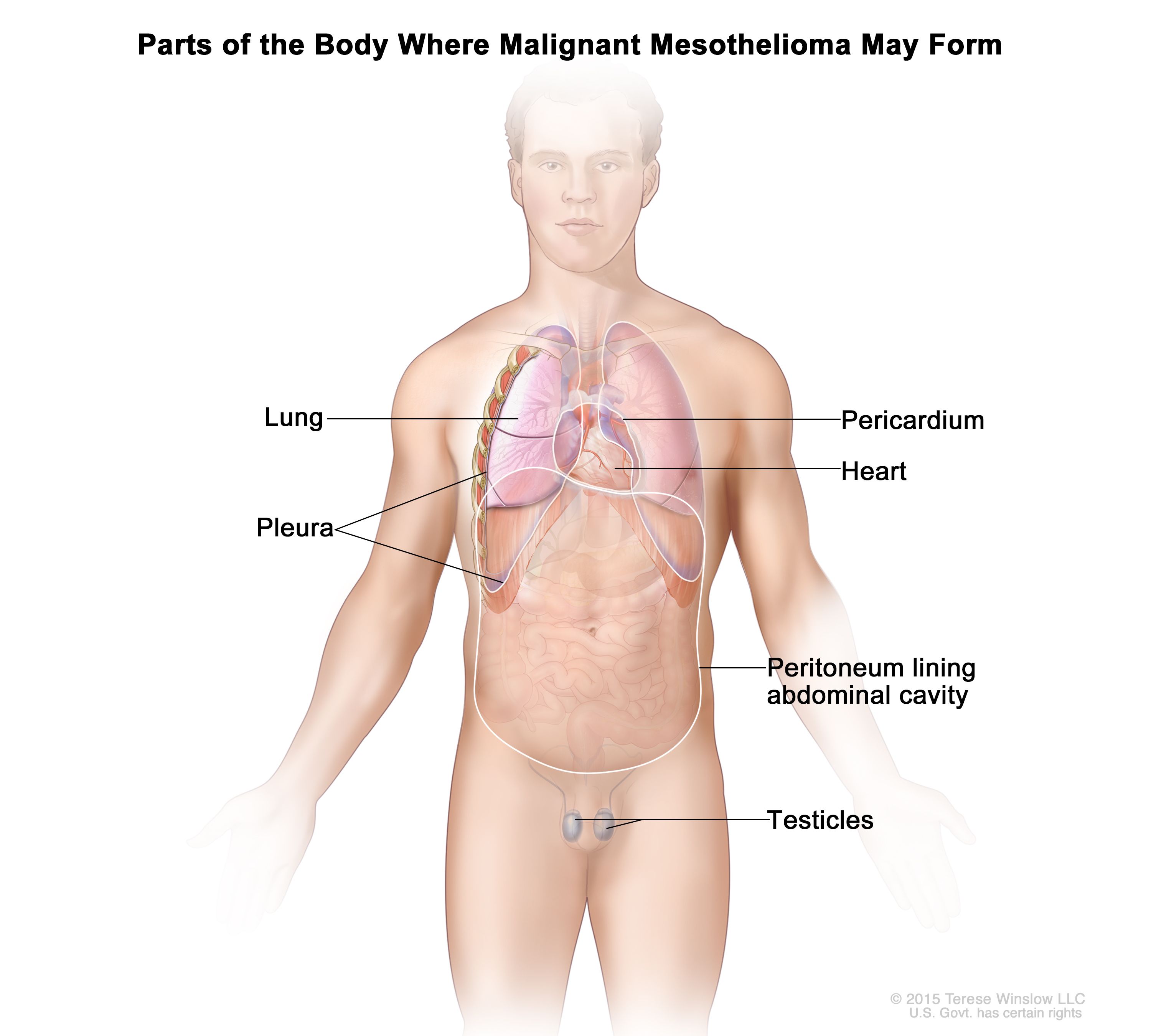
There are four main types of mesothelioma:
- Pleural Mesothelioma: This affects the lining of the lungs and is the most common type.
- Peritoneal Mesothelioma: This affects the lining of the abdomen.
- Pericardial Mesothelioma: This affects the lining around the heart.
- Testicular Mesothelioma: This affects the lining around the testes and is very rare.
Causes And Risk Factors
The primary cause of mesothelioma is exposure to asbestos. Asbestos is a group of minerals made of microscopic fibers that were once widely used in construction. When asbestos fibers are inhaled or swallowed, they can become lodged in the mesothelium. Over time, this can cause cell damage and lead to cancer. Other risk factors include:
- Living with someone who works with asbestos.
- Having a family history of mesothelioma.
- Exposure to certain viruses or minerals.
Understanding these types and risk factors can help in early diagnosis and better treatment options.
Symptoms And Diagnosis
Mesothelioma is a rare cancer. It affects the lining of the lungs, abdomen, or heart. Early detection can improve treatment outcomes. Knowing the symptoms and how doctors diagnose mesothelioma is essential.
Early Warning Signs
Early symptoms of mesothelioma are often mild. They may include a persistent cough, shortness of breath, and chest pain. Some people experience unexplained weight loss. Fatigue and night sweats are also common. Symptoms may seem like other illnesses. This makes early detection difficult.
Diagnostic Procedures
Doctors use various methods to diagnose mesothelioma. Imaging tests are often the first step. These include X-rays, CT scans, and MRIs. They help doctors spot abnormal growths. Blood tests can also provide clues. They detect biomarkers linked to mesothelioma.
A biopsy confirms the diagnosis. This involves taking a small tissue sample. Pathologists examine the sample under a microscope. This helps to identify cancer cells. Sometimes, doctors use a needle to collect fluid. This fluid is then analyzed for cancer cells.
Early diagnosis is crucial. It helps in planning effective treatment. Regular check-ups can catch mesothelioma early. This improves the chances of successful treatment.
Treatment Options
Mesothelioma is a rare and aggressive cancer. It requires a comprehensive approach to treatment. Understanding the available treatment options is crucial for patients and their families. These treatments can help manage symptoms and improve quality of life. Below, we explore three main treatment options: surgery, chemotherapy, and radiation therapy.
Surgery
Surgery is often used to remove as much of the cancer as possible. There are different types of surgery for mesothelioma, depending on the stage and location of the cancer:
- Pleurectomy/Decortication (P/D): Removes the lining of the lung and chest.
- Extrapleural Pneumonectomy (EPP): Removes the lung, part of the diaphragm, and other nearby tissues.
- Cytoreductive Surgery: Reduces tumor size, often combined with heated chemotherapy.
Surgery can improve survival rates and relieve symptoms. It is most effective in early stages of mesothelioma.
Chemotherapy
Chemotherapy uses drugs to kill cancer cells. It can be used before or after surgery. It may also be used alone if surgery is not an option.
Common drugs used in chemotherapy for mesothelioma include:
- Cisplatin
- Pemetrexed (Alimta)
- Carboplatin
- Gemcitabine
These drugs can be administered intravenously or directly into the chest. Side effects are common but can be managed with medications and supportive care.
Radiation Therapy
Radiation therapy uses high-energy rays to target and kill cancer cells. It can be used to shrink tumors before surgery. It can also relieve pain and other symptoms caused by mesothelioma.
There are two main types of radiation therapy:
- External Beam Radiation Therapy (EBRT): Delivers radiation from outside the body.
- Brachytherapy: Places radioactive material directly inside or near the tumor.
Radiation therapy is often combined with surgery and chemotherapy. It helps to control the spread of the disease and improve patient comfort.
Emerging Therapies
Mesothelioma is a challenging cancer to treat. Traditional therapies like surgery, chemotherapy, and radiation have been the mainstay. But new treatments are now giving hope. Emerging therapies are bringing advancements that are changing the outlook for patients. These therapies focus on targeting cancer cells more precisely and improving the body’s ability to fight the disease.
Immunotherapy
Immunotherapy is a promising area in cancer treatment. It helps the body’s immune system to recognize and attack cancer cells. For mesothelioma, this approach is gaining traction. There are different types of immunotherapy:
- Checkpoint inhibitors: These drugs block proteins that stop the immune system from attacking cancer cells.
- CAR T-cell therapy: This involves modifying a patient’s T-cells to better fight cancer.
- Cancer vaccines: These stimulate the immune system to target cancer cells.
Targeted Therapy
Targeted therapy aims to attack specific genes or proteins in cancer cells. This makes it less harmful to normal cells. Mesothelioma patients can benefit from several targeted therapies:
| Type | Description |
|---|---|
| EGFR inhibitors | These drugs block the epidermal growth factor receptor, which helps cancer cells grow. |
| ALK inhibitors | These target the anaplastic lymphoma kinase gene, which can be involved in cancer growth. |
| VEGF inhibitors | These drugs inhibit vascular endothelial growth factor, reducing tumor blood supply. |
Targeted therapies can be more effective with fewer side effects. Ongoing research continues to uncover new targets and improve treatment options.
Living With Mesothelioma
Living with Mesothelioma presents unique challenges. This rare cancer affects the lining of organs. Patients often face both physical and emotional hurdles. Understanding the resources and symptom management can improve quality of life. Let’s dive into some key aspects of living with Mesothelioma.
Support Resources
Support resources are crucial for Mesothelioma patients. Many organizations offer help. Support groups provide a sense of community. Patients share experiences and advice. Online forums also connect people worldwide. Professional counseling can address emotional needs. Mental health professionals specialize in cancer-related issues. Financial aid programs can ease the burden of medical costs. Many non-profits offer grants and assistance. Always seek out these valuable resources.
Managing Symptoms
Managing symptoms is vital for Mesothelioma patients. Symptoms vary, but common ones include pain, breathlessness, and fatigue. Pain management often involves medications. Doctors may prescribe strong painkillers. Breathing difficulties require specific treatments. Oxygen therapy can help. Breathing exercises also improve lung function. Fatigue is another major symptom. Regular rest and a balanced diet can combat tiredness. Exercise, tailored to your ability, boosts energy. Consult your healthcare team to find the best strategies.
Legal And Financial Aspects
Mesothelioma is a serious illness that affects many people worldwide. Legal and financial aspects play a crucial role for those diagnosed. Understanding these aspects can help patients and their families manage the burden. This section will cover claims and compensation options related to asbestos exposure.
Asbestos Exposure Claims
Asbestos exposure is the primary cause of mesothelioma. Those diagnosed often seek justice through legal claims. These claims can hold companies accountable for their negligence. An experienced lawyer can help navigate the legal process. They gather evidence to support the claim. This can include medical records and employment history.
Filing a claim can be complex. It involves understanding the statute of limitations. This is the time frame within which a claim must be filed. Each state has different rules. It’s important to act quickly to ensure eligibility. Legal experts can provide guidance on these matters.
Compensation Options
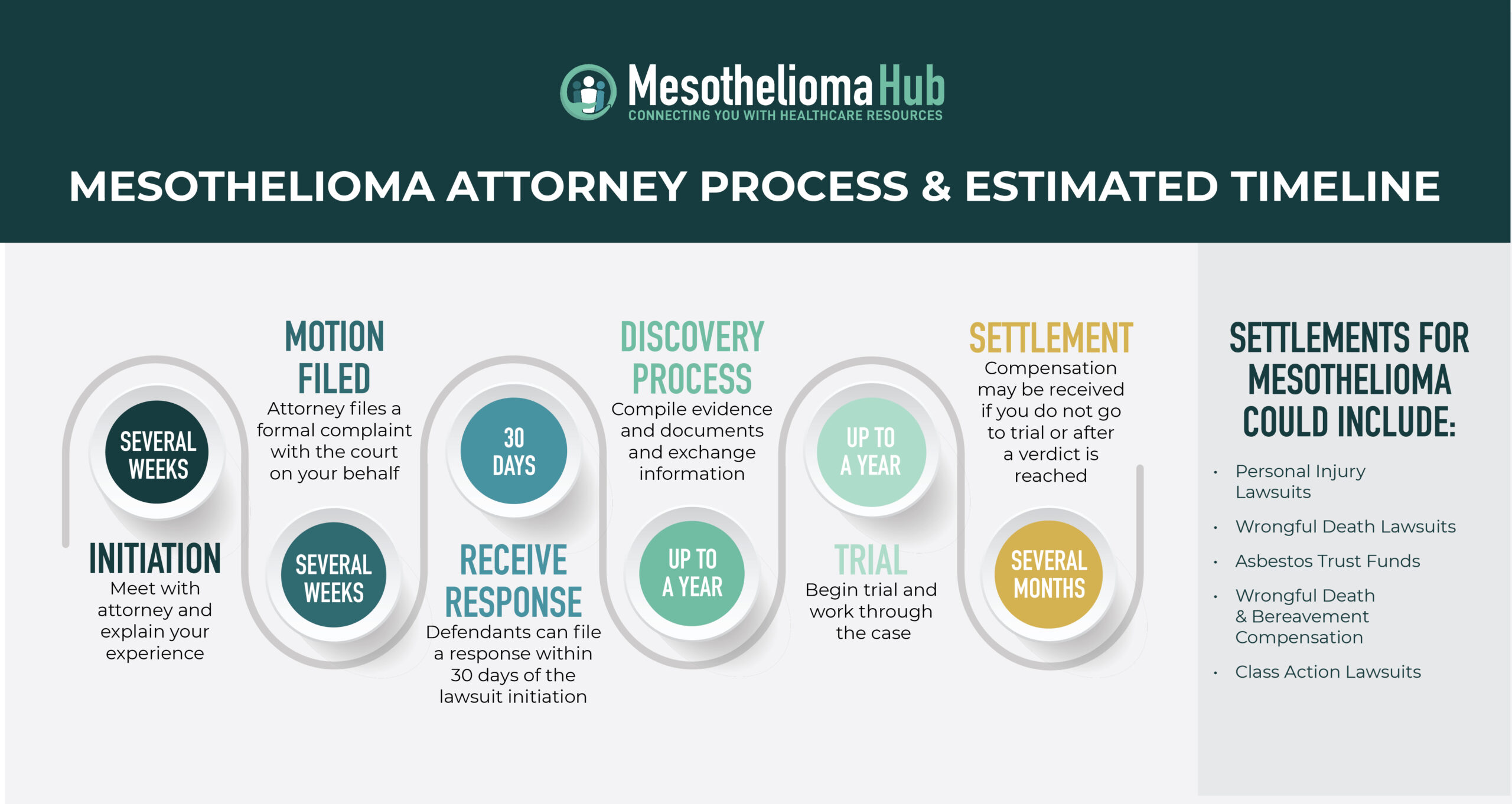
Several compensation options are available for mesothelioma patients. One common option is a settlement. Companies may offer a lump sum to avoid going to trial. Settlements provide quicker financial relief but may be less than a court award.
Another option is a verdict from a trial. If the case goes to court, a jury decides the compensation amount. This can be higher but takes longer. There is also a risk of losing the case.
Trust funds are another source of compensation. Many companies set up these funds after declaring bankruptcy. They aim to provide payments to asbestos exposure victims. Lawyers can help identify and access these funds.
Government benefits are also available. Veterans exposed to asbestos during service can seek benefits from the Department of Veterans Affairs. Social Security Disability Insurance (SSDI) can offer financial support too.
Understanding these options can help patients and families plan for the future. Consulting a legal expert can provide clarity and direction. It ensures the best possible outcome for those affected.
Research And Clinical Trials
Mesothelioma is a rare form of cancer caused by asbestos exposure. Research and clinical trials play a crucial role in finding new treatments and improving patient outcomes. This section will delve into the latest findings and the importance of participation in clinical trials.
Latest Findings
Researchers are continually working to understand mesothelioma better. Recent studies have shown promising results in various areas:
- Gene Therapy: Scientists are exploring gene therapy to target cancer cells.
- Immunotherapy: This treatment boosts the immune system to fight mesothelioma.
- Biomarkers: New biomarkers help in early detection and monitoring of the disease.
These findings are paving the way for more effective treatments. They offer hope to patients and their families.
Participation In Trials
Clinical trials are essential for developing new treatments. They test the safety and effectiveness of new drugs and therapies. Participating in a trial can offer several benefits:
- Access to new treatments not yet available to the public.
- Close monitoring by healthcare professionals.
- Contributing to scientific research that may help others in the future.
Participation requires a thorough understanding of the trial process. Patients should discuss with their doctors to see if a trial is a suitable option.
Here are some important considerations:
| Factor | Details |
|---|---|
| Eligibility | Criteria to determine if a patient can join the trial. |
| Risks | Potential side effects and adverse reactions. |
| Benefits | Possible positive outcomes and improvements. |
Joining a clinical trial is a personal decision. It’s essential to weigh the pros and cons carefully. The knowledge gained from these trials helps advance treatment options for future patients.
Credit: www.mesotheliomahub.com
Preventive Measures
Mesothelioma is a serious health concern that requires proactive measures. Taking steps to prevent exposure and ensuring regular health checkups can make a significant difference.
Reducing Exposure Risk
Minimizing contact with asbestos is crucial. Avoid areas known for asbestos contamination. Use protective gear if exposure is unavoidable. Ensure proper ventilation in older buildings. Hire professionals for asbestos removal. Always follow safety guidelines.
Regular Health Screenings
Regular checkups help in early detection. Schedule annual visits with your doctor. Discuss any symptoms or concerns. Get imaging tests if recommended. Early detection improves treatment outcomes. Stay informed about your health status.
Frequently Asked Questions
What Is Mesothelioma?
Mesothelioma is a rare, aggressive cancer caused by asbestos exposure. It affects the lining of the lungs, abdomen, or heart.
How Is Mesothelioma Diagnosed?
Mesothelioma is diagnosed through imaging tests, biopsies, and blood tests. Early detection is crucial for better treatment outcomes.
What Are Mesothelioma Symptoms?
Symptoms include chest pain, shortness of breath, and fluid buildup. Other signs are weight loss, fatigue, and abdominal pain.
Can Mesothelioma Be Treated?
Treatment options include surgery, chemotherapy, and radiation. These treatments can help manage symptoms and extend survival.
Conclusion
Understanding mesothelioma is crucial for early detection and treatment. Knowledge can save lives. Stay informed about symptoms and risks. Consult a doctor if you notice any warning signs. Regular check-ups can help catch it early. Awareness is your best defense.
Share this information with loved ones. Together, we can fight mesothelioma. Remember, early action makes a big difference. Stay healthy, stay informed.